

Programme
The 21st Summit programme
Two days of curated dialogue across the Summit’s three tracks — Speed, Scale and Systems — convening ministers, CEOs, investors and multilateral leadership around accelerating the sustainability transition.
Registration
As India faces growing climate challenges, the need for actionable, data-driven insights has never been greater. This session explores how climate intelligence can help governments, businesses, and cities make informed decisions and strengthen resilience.
The discussion will showcase innovative solutions that help stakeholders understand climate risks, forecast urban flooding, and assess the impact of hazards such as water stress and extreme heat. By combining advanced analytics, AI, and local insights, these tools enable better planning, faster response, and more effective risk management.
As climate resilience becomes a business and development imperative, organizations need forward-looking intelligence to protect assets, ensure continuity, and build a more sustainable future.
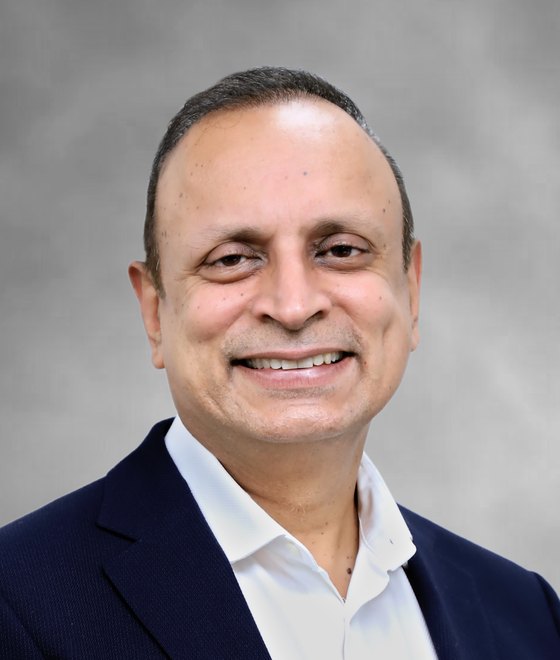 Anup Jindal
CEO
Anup Jindal
CEORMSI
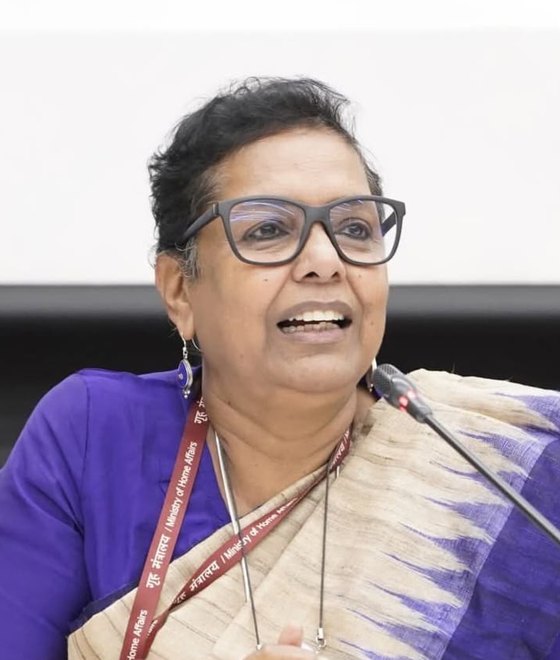 Rita Missal
Member
Rita Missal
MemberNational Disaster Management Authority (NDMA)
 Dr Ashish Routray
Scientist-G
Dr Ashish Routray
Scientist-GNational Centre for Medium-Range Weather Forecasting (NCMRWF)
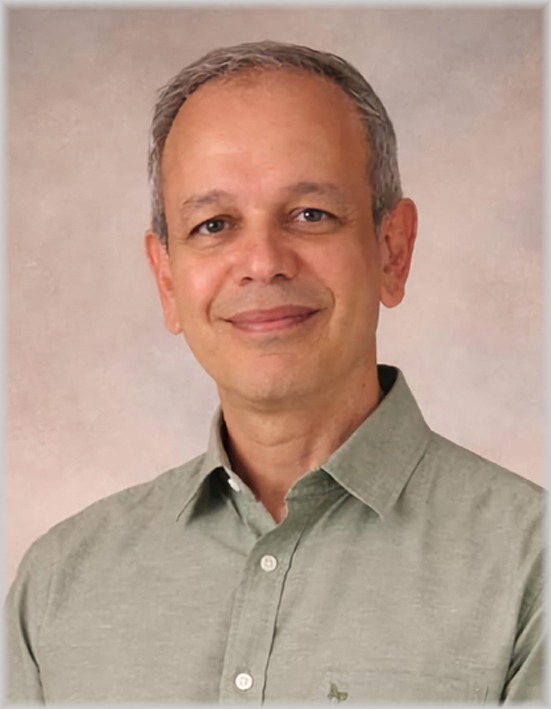 S Ganesh Kumar
Chief Executive- Agri Business Division
S Ganesh Kumar
Chief Executive- Agri Business DivisionITC Ltd.
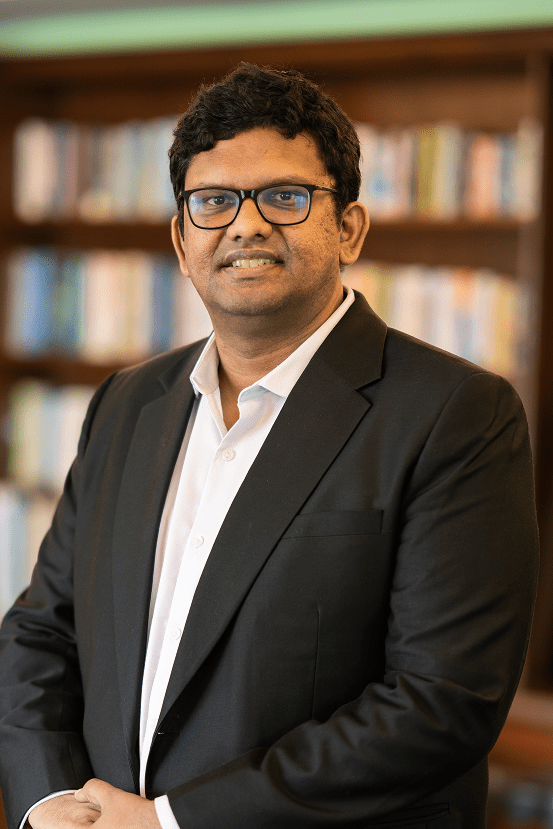 Ankit Todi
Chief Sustainability Officer
Ankit Todi
Chief Sustainability OfficerMahindra Group
India stands at a pivotal moment in its agricultural transformation journey. While thousands of successful pilots have demonstrated the potential of precision agriculture, climate-smart farming, digital advisory systems, and regenerative practices, the real challenge now is scaling these innovations to reach millions of farmers. As climate volatility, water stress, and supply chain disruptions intensify, agriculture must deliver not only higher productivity but also greater resilience, sustainability, and improved farmer livelihoods.
This session will explore how India can move from fragmented success stories to system-wide transformation. Bringing together perspectives from policy, technology, finance, markets, and industry, the discussion will examine how proven solutions can be adopted faster, scaled more effectively, and embedded within agricultural ecosystems. A key focus will be on ensuring that sustainability becomes a driver of productivity, profitability, and competitiveness rather than a compliance obligation.
The conversation will seek actionable pathways to build a future-ready agricultural system that enhances farmer incomes, strengthens food security, conserves natural resources, and positions India as a global leader in sustainable agriculture. The central question is: How can India transform smart and sustainable agriculture from isolated pilots into the new foundation of agricultural growth and resilience?
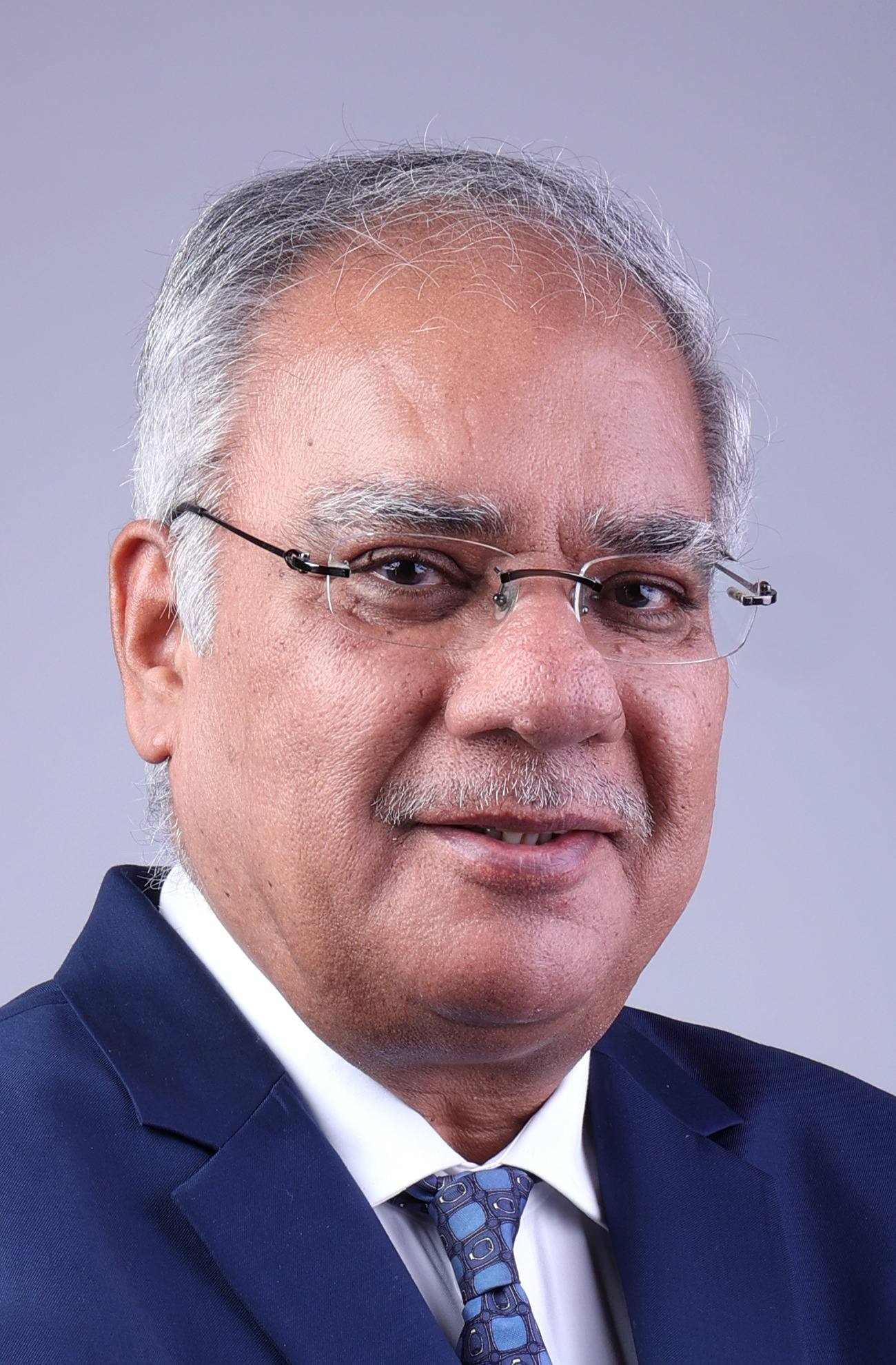 S. Sivakumar
Group Head of Agri & IT Businesses
S. Sivakumar
Group Head of Agri & IT BusinessesITC Limited
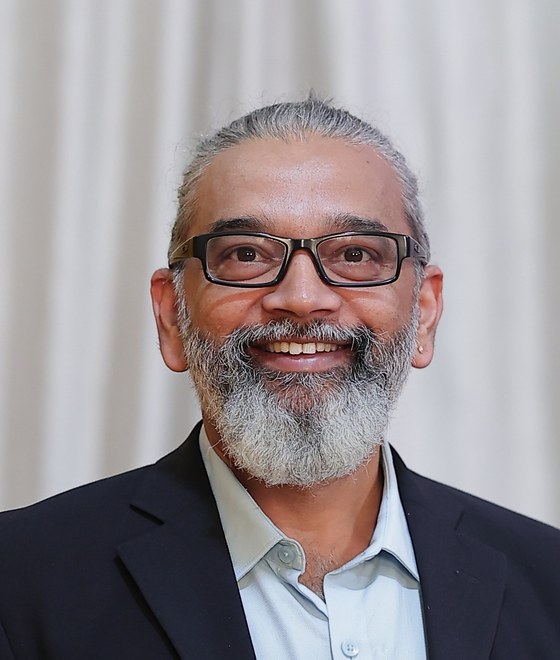 Srivatsa Sreenivasarao
Founder & CEO
Srivatsa Sreenivasarao
Founder & CEOTraceX Technologies
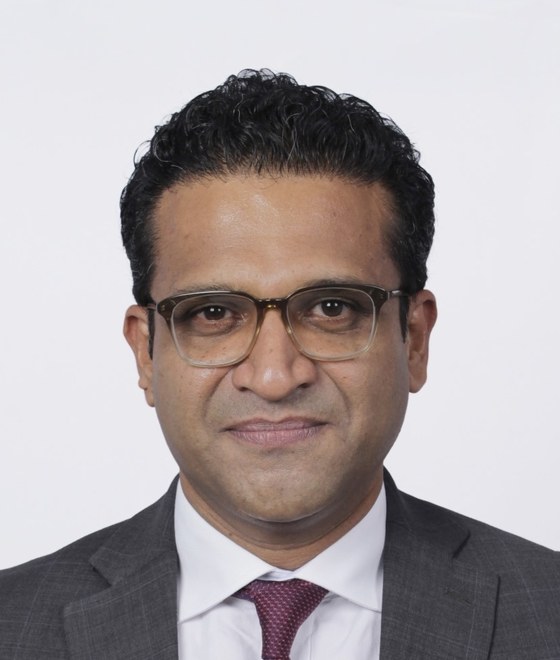 Hisham Mundol
Chief Advisor - India
Hisham Mundol
Chief Advisor - IndiaEnvironmental Defense Fund
 Roshan Lal Tamak
Executive Director & CEO, Sugar and Ethanol Business
Roshan Lal Tamak
Executive Director & CEO, Sugar and Ethanol BusinessDCM Shriram Ltd
India’s rapidly expanding digital economy, driven by cloud computing, AI, data localisation, and digital public infrastructure, is accelerating the growth of data centres across the country. As computing densities increase, so do the demands on energy and water resources, making cooling systems a critical focus area for sustainable data centre development. Resource-efficient cooling technologies, intelligent hydronic systems, water reuse solutions, and AI-enabled monitoring offer significant opportunities to optimise both energy and water consumption while improving operational reliability and resilience.
This session will explore how resource-efficient cooling can serve as a strategic enabler of sustainable digital growth by integrating advanced technologies, water stewardship practices, and digital optimisation into next-generation data centres. The discussion will examine policy, technology, and business interventions needed to build globally competitive, resilient, and resource-efficient digital infrastructure, while positioning India as a global leader in sustainable data centre development.
 Satish Kumar
President and Executive Director
Satish Kumar
President and Executive DirectorAlliance for an Energy Efficient Economy (AEEE)
 Dr Satyapriya Rath
IAS, Managing Director
Dr Satyapriya Rath
IAS, Managing DirectorGRIDCO Limited
 Usha Subramaniam
Country President
Usha Subramaniam
Country PresidentGrundfos
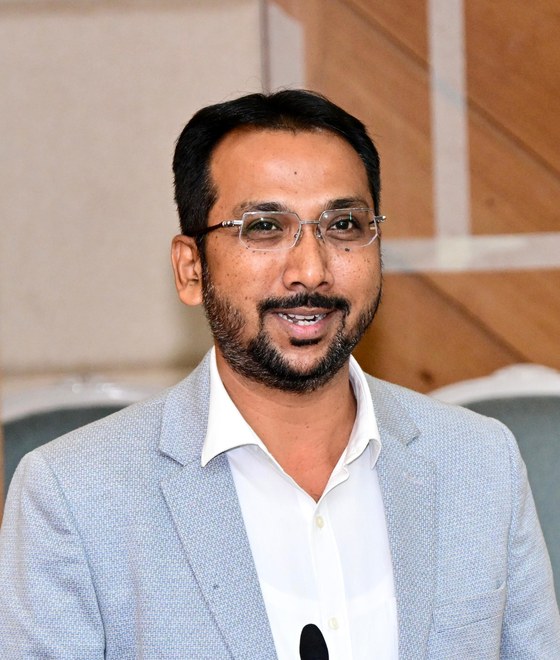 Saleem Sayyed
Vice President - AI DC Design & Build
Saleem Sayyed
Vice President - AI DC Design & BuildSubmer Technologies Ltd.
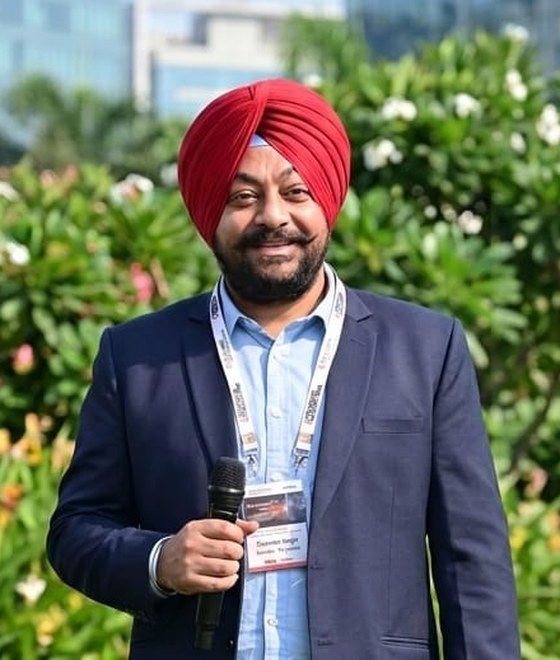 Satinder Singh
Director-Solutions
Satinder Singh
Director-SolutionsST Telemedia Global Data Centres India (STT GDC India)
India’s rapid infrastructure transformation is shaping the foundations of a more connected, resilient and future-ready economy. From highways, multimodal transport and logistics networks to cleaner fuels, intelligent mobility and resource-efficient construction, the opportunity is to embed sustainability into the infrastructure systems that will drive India’s next phase of growth. The session will explore how technology, innovation and integrated infrastructure can accelerate this transition, while strengthening competitiveness, energy security and resilience.
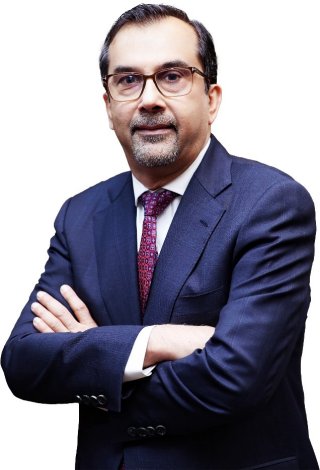 Sanjiv Puri
Past President
Sanjiv Puri
Past PresidentConfederation of Indian Industry
and Chairman & Managing Director
ITC Limited
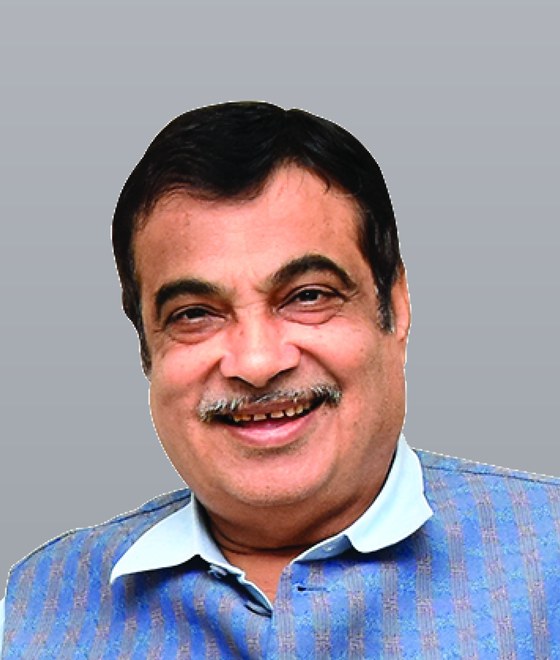 Shri Nitin Jairam Gadkari
Hon’ble Union Minister of Road Transport & Highways
Shri Nitin Jairam Gadkari
Hon’ble Union Minister of Road Transport & HighwaysGovernment of India
(Virtual)
Lunch Break
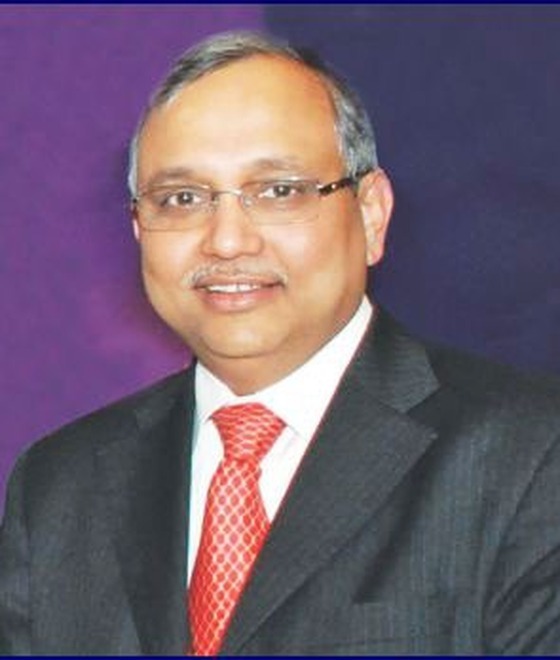 Chandrajit Banerjee
Director General
Chandrajit Banerjee
Director GeneralConfederation of Indian Industry
Sanjiv Puri
Past PresidentConfederation of Indian Industry
and Chairman & Managing Director
ITC Limited
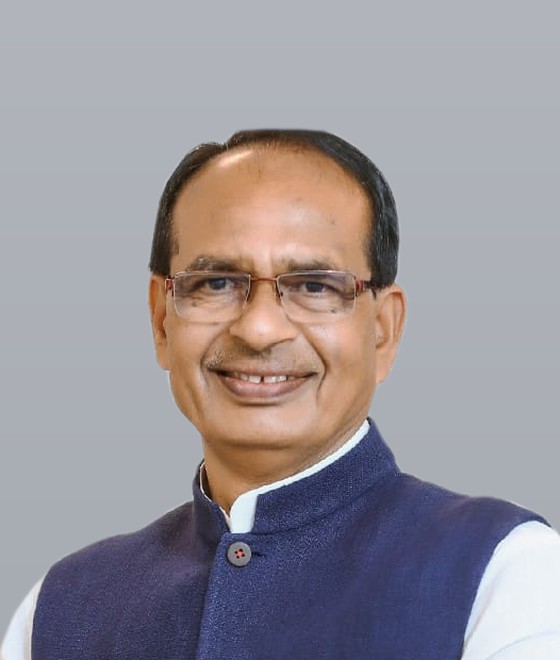 Shri Shivraj Singh Chouhan
Hon’ble Minister of Agriculture & Farmers Welfare and Rural Development
Shri Shivraj Singh Chouhan
Hon’ble Minister of Agriculture & Farmers Welfare and Rural DevelopmentGovernment of India
Nature is increasingly recognized as a critical pillar of long-term business sustainability as companies acknowledge that nature-related risks can significantly impact operations, supply chains, financial performance, and business resilience. At the same time, evolving regulations on biodiversity conservation, species protection, and nature-related trade, coupled with growing investor scrutiny and the rise of nature finance, are driving businesses to take a more proactive approach to nature stewardship.
In response, leading companies are integrating nature-based solutions, biodiversity considerations, and nature-risk management into their business strategies to enhance resilience, create value, and support sustainable growth. This session will explore how businesses are addressing nature-related risks and identifying new opportunities, while leveraging global and national frameworks such as the Kunming-Montreal Global Biodiversity Framework (GBF), India’s National Biodiversity Strategy and Action Plan (NBSAP), and the Taskforce on Nature-related Financial Disclosures (TNFD) to drive action, strengthen accountability, mobilize investment, and accelerate India’s transition towards a nature-positive economy.
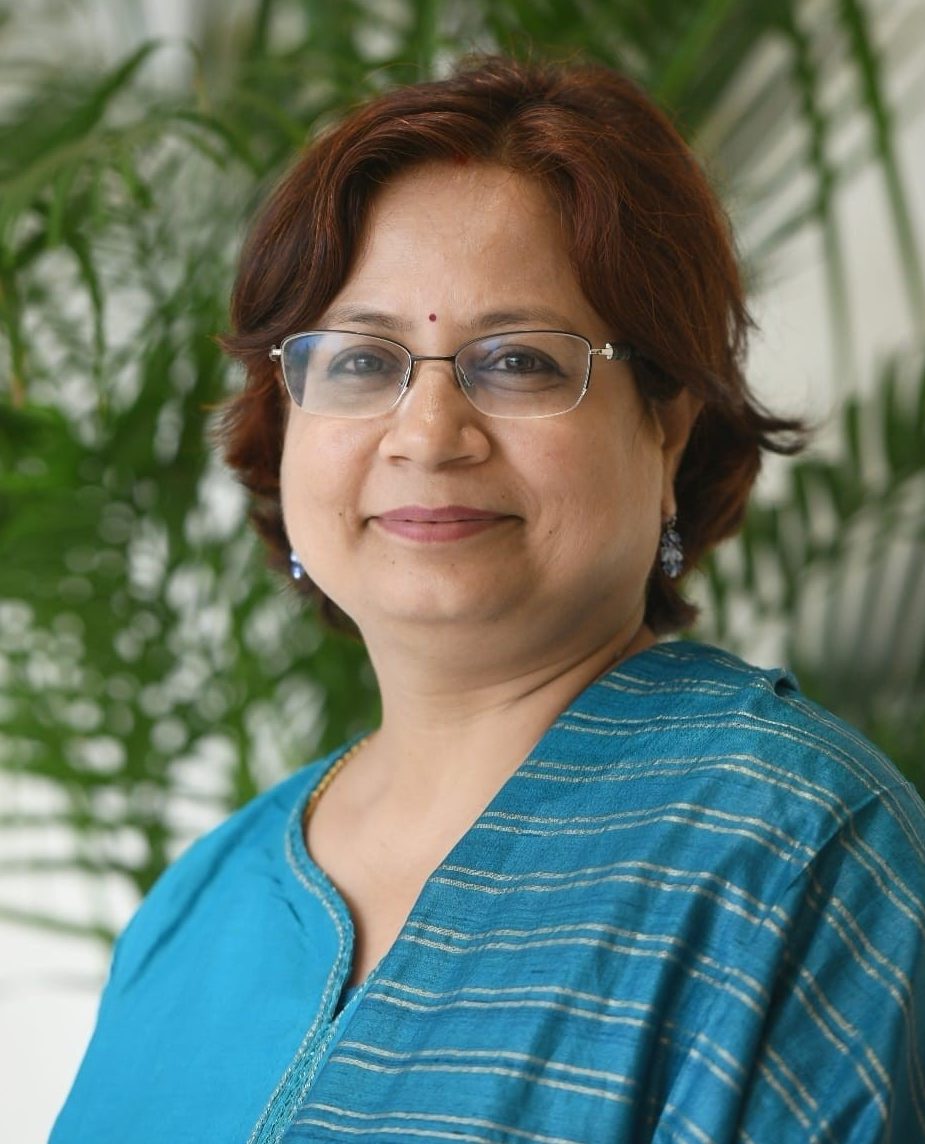 Madhulika Sharma
Vice President & Chief Sustainability Officer
Madhulika Sharma
Vice President & Chief Sustainability OfficerITC limited
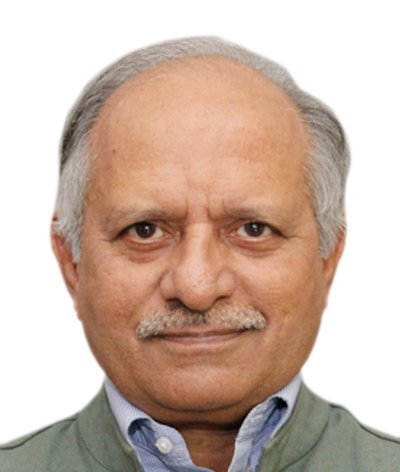 Ravi Singh
Secretary General and CEO
Ravi Singh
Secretary General and CEOWWF India
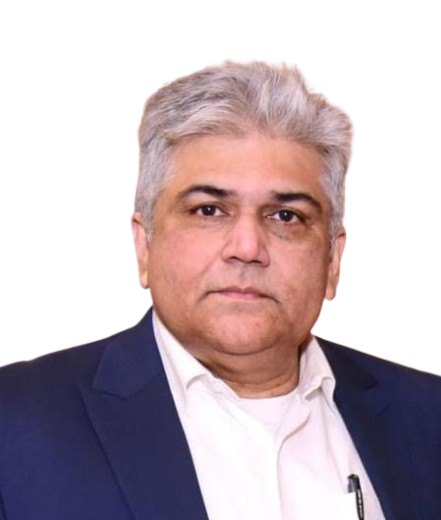 Soumitra Dasgupta
Director (Program)
Soumitra Dasgupta
Director (Program)International Big Cat Alliance (IBCA)
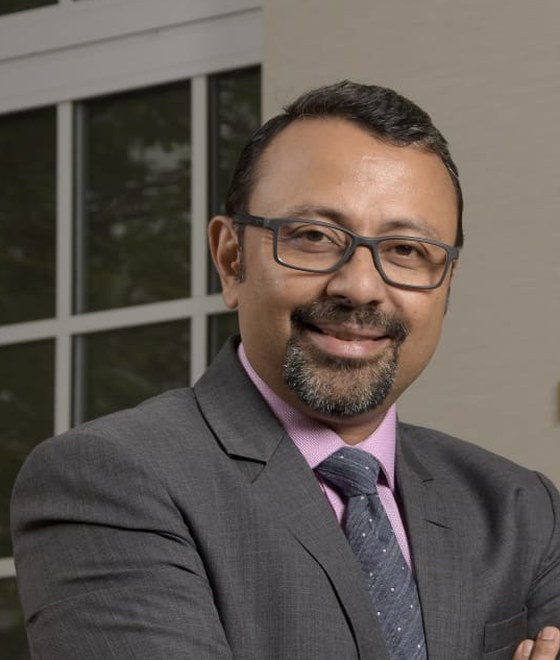 Himal Tewari
CHRO, Chief - Sustainability & CSR
Himal Tewari
CHRO, Chief - Sustainability & CSRThe Tata Power Company Limited
Why do well-intentioned sustainability initiatives stall at the pilot phase? With the global economy currently only 6.9% circular, true circularity requires moving past isolated tweaks to reshape an interconnected web of supply chains, regulations, and consumer behaviours.
This session explores how systems thinking bridges the gap between circular principles and mass industrial adoption. We will break down how to map complex value chains, anticipate unintended consequences, and align cross-industry incentives to drive transformation at scale. Join global experts to discover actionable, systemic frameworks that transition fragmented eco-efforts into a resilient, closed-loop economy.
 Anjali Singh
CII Circular Economy Council and Executive Chairperson
Anjali Singh
CII Circular Economy Council and Executive ChairpersonAnand Group
 Priyavrat Bhati
Program Lead, Environment and Climate Change
Priyavrat Bhati
Program Lead, Environment and Climate ChangeNITI Aayog
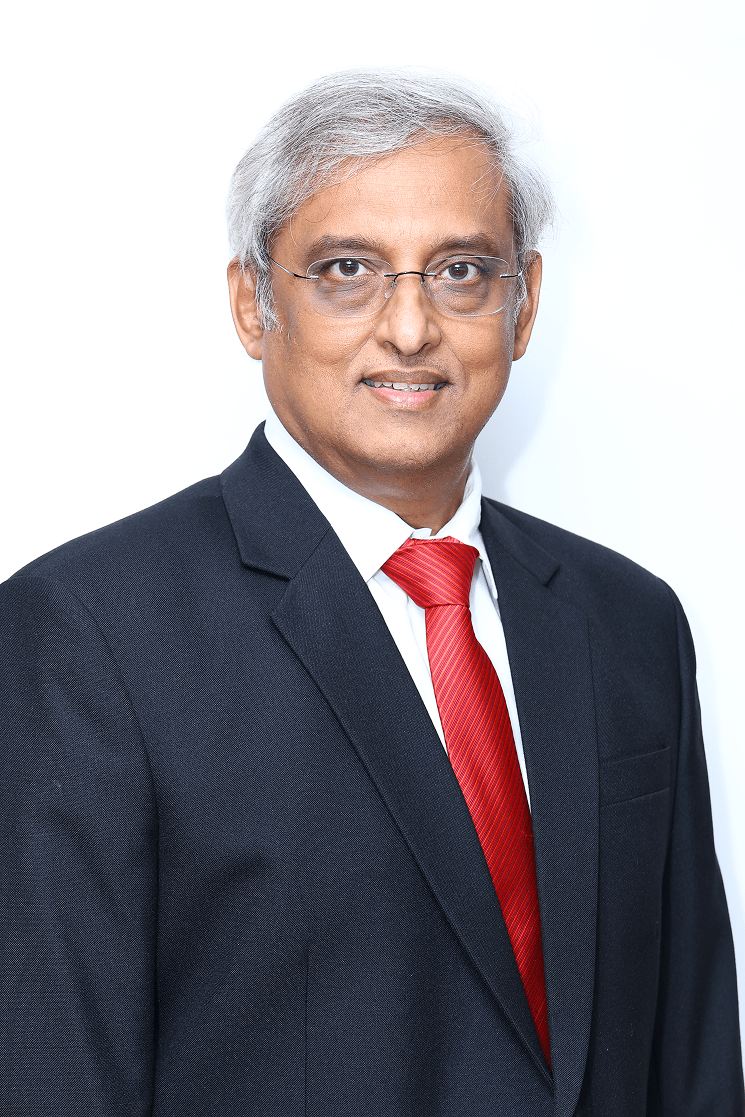 Dr Anantharaman Subramaniyan
Vice President, Strategy and Sustainability
Dr Anantharaman Subramaniyan
Vice President, Strategy and SustainabilitySiemens Limited
 Anjalli Ravi Kumar
Chief Sustainability Officer
Anjalli Ravi Kumar
Chief Sustainability OfficerEternal Limited
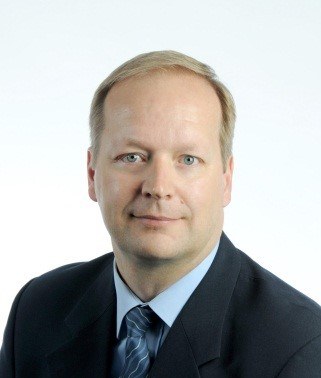 Dr Antti Herlevi
Trade Counselor, Water, Forest, and Circular Economy
Dr Antti Herlevi
Trade Counselor, Water, Forest, and Circular EconomyEmbassy of Finland in India
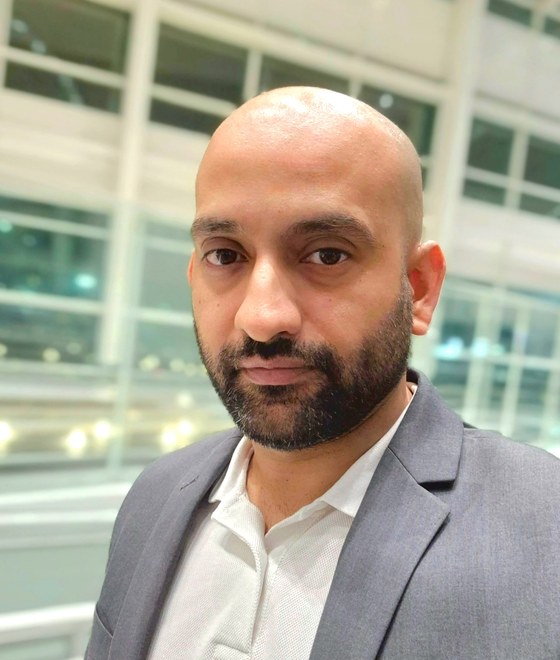 Kshitin Nagarkar
Director, Circular Cloud and Sustainability
Kshitin Nagarkar
Director, Circular Cloud and SustainabilityMicrosoft India
Every unit of growth we celebrate — every megawatt, every factory, every rising income — is quietly written in water. Yet water remains the silent variable in our development equation, shaping who thrives and who is left behind. Drawing on evidence from across the world and India’s own crossroads, this talk reveals how water, energy, and inclusion are not separate goals but a single interconnected system — and why securing water may be the most powerful lever we have for a fairer, more resilient future.
Usha Subramaniam
Country PresidentGrundfos
India’s clean energy transition is entering a new phase. As of 31 July 2026, India had reached 300.50 GW of non-fossil-fuel-based installed capacity, with non-fossil sources accounting for more than 54% of total installed capacity. With India now over 60% of the way toward its 500 GW non-fossil-fuel capacity target for 2030, the focus is shifting from capacity addition to the reliable, flexible and cost-effective integration of a more diverse energy mix.
As the energy landscape expands beyond solar and wind to include biomass, waste-to-energy, waste-heat recovery and green hydrogen, growing industrial demand will require significant renewable power and supporting infrastructure. The National Green Hydrogen Mission is expected to further accelerate demand for clean energy.
Bringing together leaders from the energy sector, industry and government, this session will explore how India can build a resilient, competitive and low-carbon energy system. Discussions will focus on renewable energy integration, diversification of the energy mix, evolving industrial demand, and the policy, financing and infrastructure frameworks needed to support the transition.
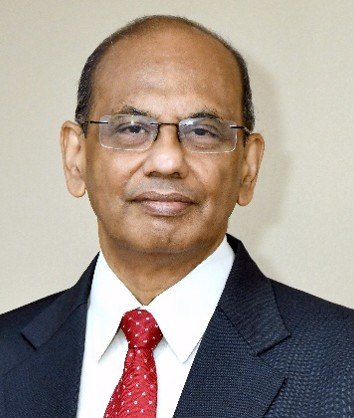 Dr Ajay Mathur
Professor of Practice
Dr Ajay Mathur
Professor of PracticeSchool of Public Policy
IIT Delhi
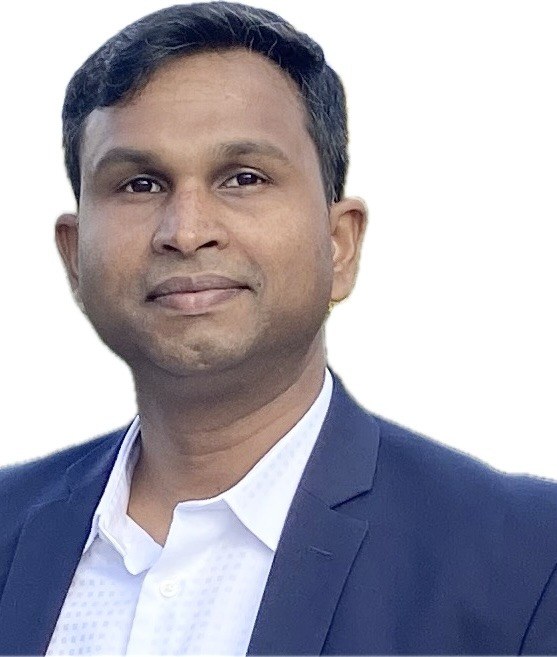 Nagesh Sayam
Chief Business Officer & Head - Renewables
Nagesh Sayam
Chief Business Officer & Head - RenewablesGMR Group
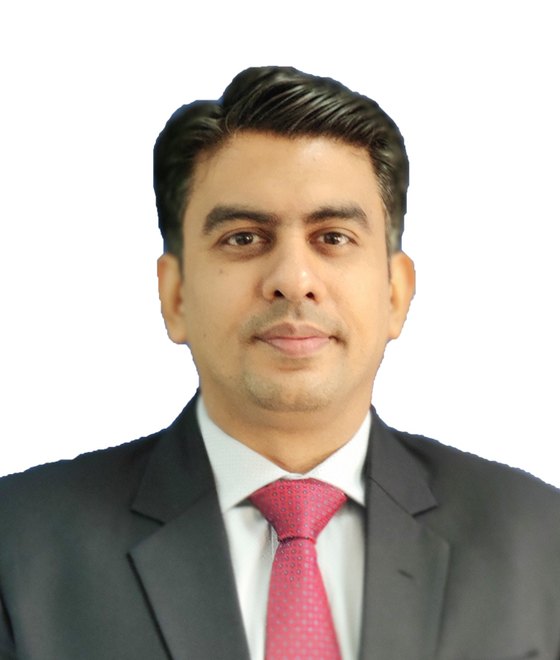 Chirag Mehta
Chief Investment Officer (CIO)
Chirag Mehta
Chief Investment Officer (CIO)Quantum Asset Management Company Private Limited
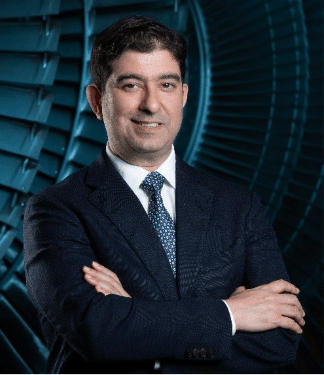 Nikhil Sawhney
Chairman
Nikhil Sawhney
ChairmanCII National Committee on
ASEAN & Oceania and
Vice Chairman & Managing Director
Triveni Turbine Limited
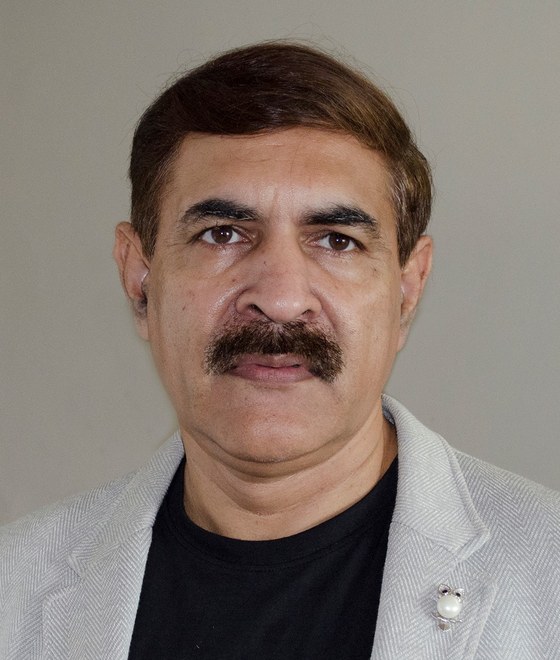 Vivek Jaswal
Executive Vice President
Vivek Jaswal
Executive Vice PresidentHead of Green Hydrogen & Hydro PSP Business
International Projects & PMO
ReNew
Artificial Intelligence is transforming sustainability from a reporting exercise into a strategic decision-making capability. From predictive analytics and intelligent automation to generative AI and agentic workflows, AI is enabling faster, smarter, and more connected sustainability action.
This session will explore how AI can accelerate action across carbon management, resource efficiency, climate resilience, sustainable operations, and responsible supply chains, while strengthening governance and fostering collaborative innovation to address complex sustainability challenges.
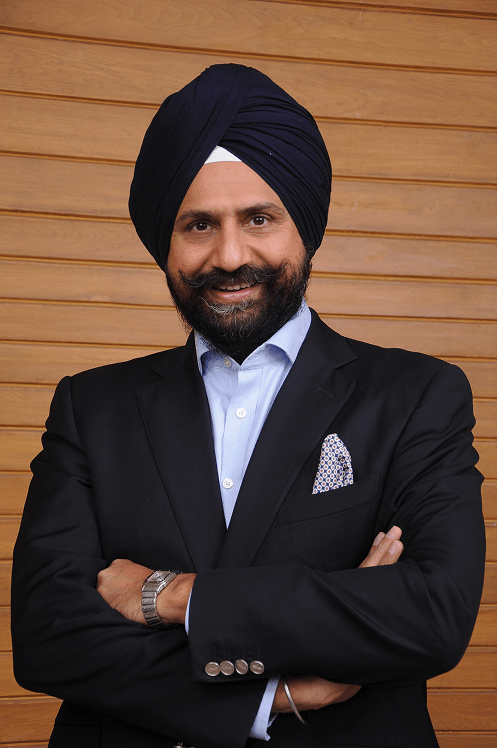 Tejpreet S. Chopra
President & CEO
Tejpreet S. Chopra
President & CEOBLP Group Industry. AI
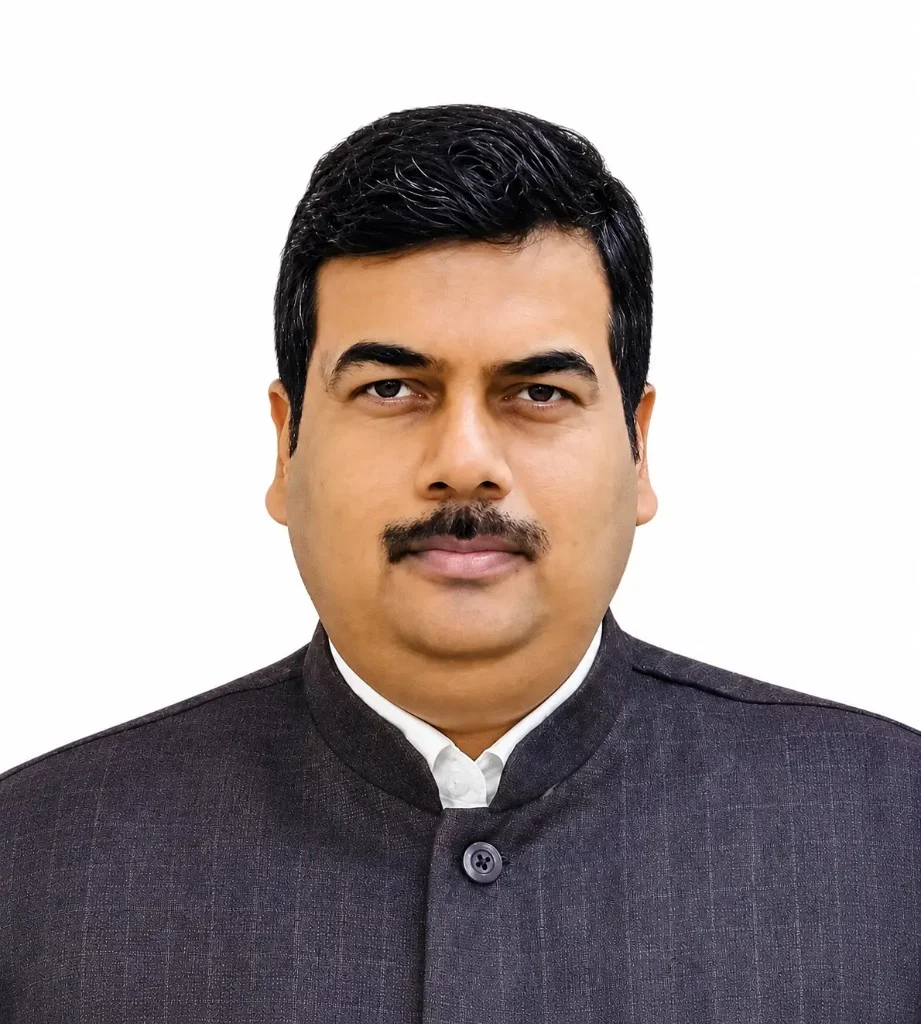 Sudeep Shrivastava
Joint Secretary, Ministry of Electronics and Information Technology (MeitY) & Chief Operating Officer (COO)
Sudeep Shrivastava
Joint Secretary, Ministry of Electronics and Information Technology (MeitY) & Chief Operating Officer (COO)India AI Mission
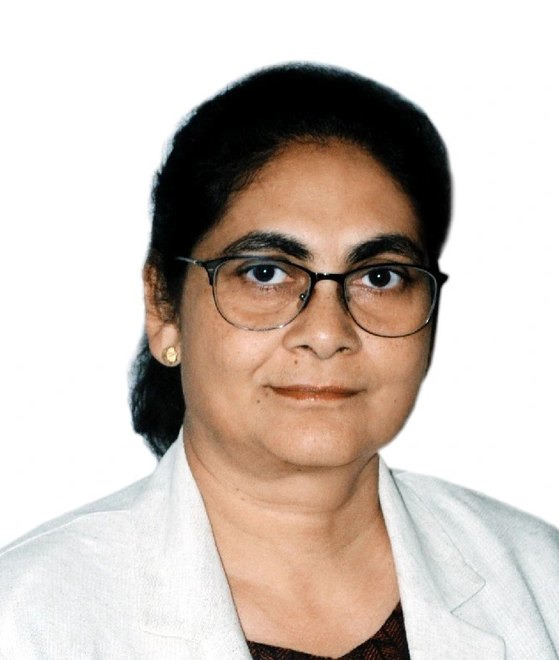 Bishakha Bhattacharya
Global Head, Corporate Affairs and Government Relations
Bishakha Bhattacharya
Global Head, Corporate Affairs and Government RelationsWipro
 Vitalii Matiunin
Co-founder and CEO
Vitalii Matiunin
Co-founder and CEOAirvoice
As sustainability expectations from customers, regulators, investors, and global markets continue to evolve, suppliers are increasingly required to strengthen their ESG performance and align with responsible business practices. This fireside chat will bring together supplier organizations to share their sustainability journey and discuss how they are preparing to meet emerging ESG requirements across value chains. The session will explore key challenges, opportunities, and practical approaches being adopted by suppliers as they transition from traditional vendors to strategic partners in building resilient and sustainable supply chains.
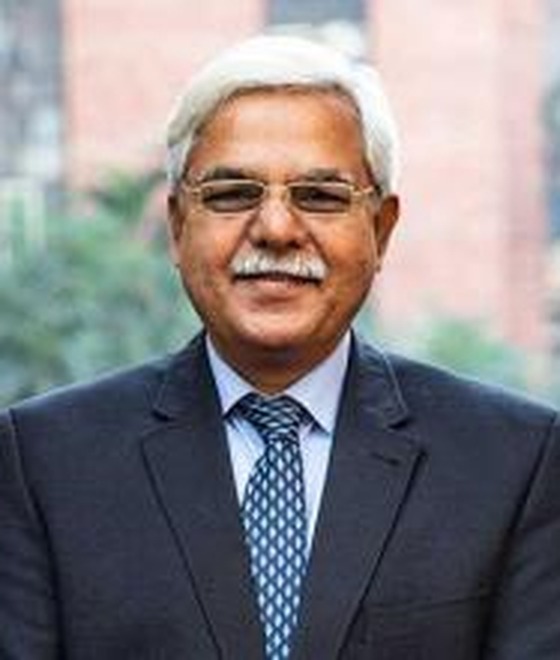 RR Rashmi
Distinguished Fellow, Green Shipping
RR Rashmi
Distinguished Fellow, Green ShippingTERI
 Madhur Khaitan
Co Convenor, CII Rajasthan Sustainability Council & Director
Madhur Khaitan
Co Convenor, CII Rajasthan Sustainability Council & DirectorBVK Group
 K K Sharma
Whole Time Director-EHS
K K Sharma
Whole Time Director-EHSDCM Shriram Ltd
India took the lead in making Corporate Social Responsibility (CSR) a statutory requirement, and this mandate has now completed 12 years. Over these years, CSR has evolved from a compliance to a more strategic driver of sustainability.
This session will highlight the transformation of the CSR ecosystem across sectors, scale & diversity of impact and will explore how companies are adopting innovative approaches while shaping the future of CSR in the decade ahead.
 Shivani Kumar
Executive Director
Shivani Kumar
Executive DirectorCII-Centre for Women Leadership & Developmental Initiatives
 Sourav Roy
Chief Executive Officer
Sourav Roy
Chief Executive OfficerTata Steel Foundation
 Anupam Nidhi
Group CSR Head
Anupam Nidhi
Group CSR HeadVedanta Limited
 Sanjeeva Kumar Jha
Head - CSR & Sustainability
Sanjeeva Kumar Jha
Head - CSR & SustainabilityJK Lakshmi Cement Ltd
 Anagha Mahajani
Chief Impact Officer
Anagha Mahajani
Chief Impact OfficerAmbuja Foundation
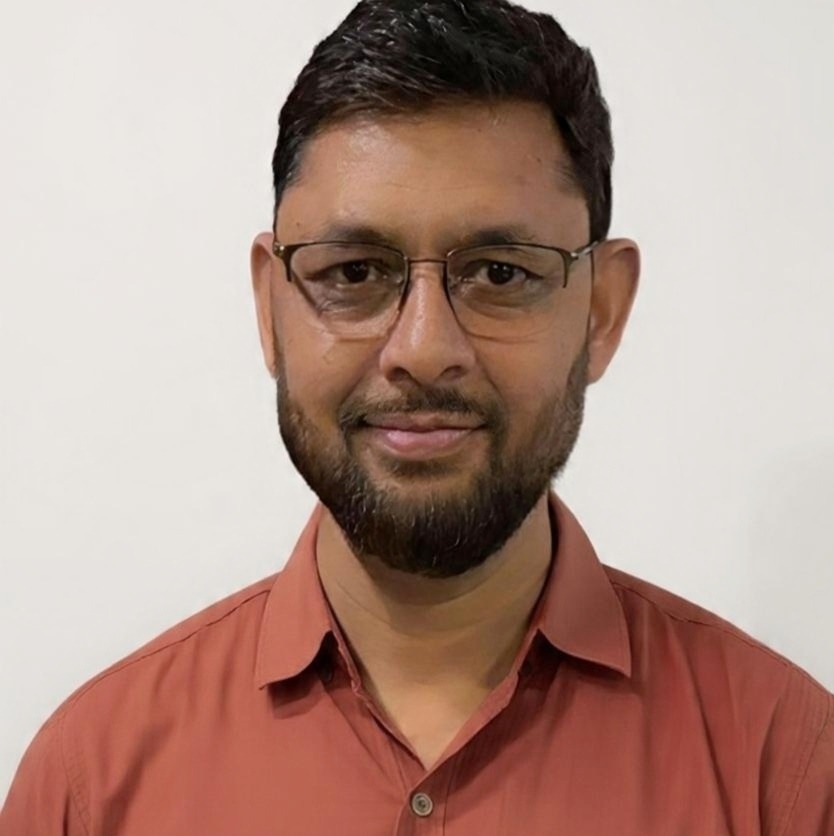 Giresh Mohan
General Manager-Operations, Social Investments
Giresh Mohan
General Manager-Operations, Social InvestmentsITC Limited
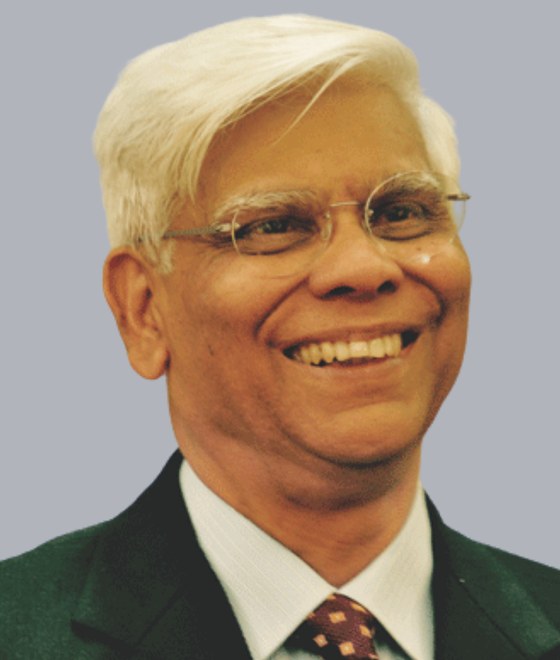 Shreekant Somany
National Council Member, CII
Shreekant Somany
National Council Member, CIIChairman & Managing Director
Somany Ceramics Limited
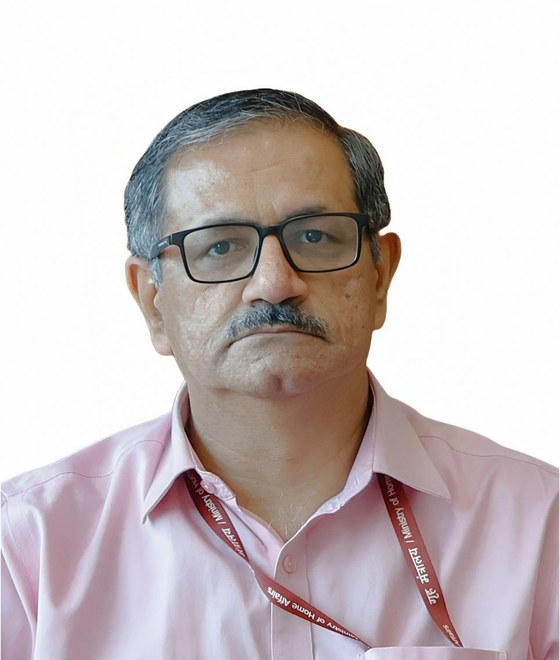 Shri Bharat Khera
Secretary, Ministry of Micro, Small and Medium Enterprises (MSME), Government of India
Shri Bharat Khera
Secretary, Ministry of Micro, Small and Medium Enterprises (MSME), Government of India
Launch of Supply Chain Initiative ASCEND (Accelerating Supply Chain Competitiveness)
India’s Carbon Credit Trading Scheme has moved from design to delivery. GHG emission intensity targets have been notified for eight energy-intensive sectors, placing binding obligations on roughly 490 entities for compliance years 2025–26 and 2026–27 against an FY2023–24 baseline, with draft targets for iron and steel under consultation. With the Indian Carbon Market portal live and certificate trading expected through 2026, early 2027, carbon markets are rapidly evolving from a climate policy instrument to a strategic business opportunity and a potential source of domestic carbon finance at scale for industrial decarbonisation and sub-national state transitions.
As India advances the Carbon Credit Trading Scheme (CCTS), industry is at a defining juncture, balancing domestic compliance requirements with emerging global trade and carbon regulations such as the EU’s Carbon Border Adjustment Mechanism (CBAM). There is a unique opportunity to design a market that balances environmental integrity, economic growth, and industrial competitiveness.
The discussion will draw key lessons from established carbon markets across Europe, Asia, and other regions. It will explore potential opportunities and challenges for States and Indian industries under a compliance carbon market, alongside the growing role of voluntary carbon markets in supporting corporate climate and net-zero strategies. It will also examine the opportunity of turning a compliance obligation into investable capital for manufacturing units and for the regions that host them.
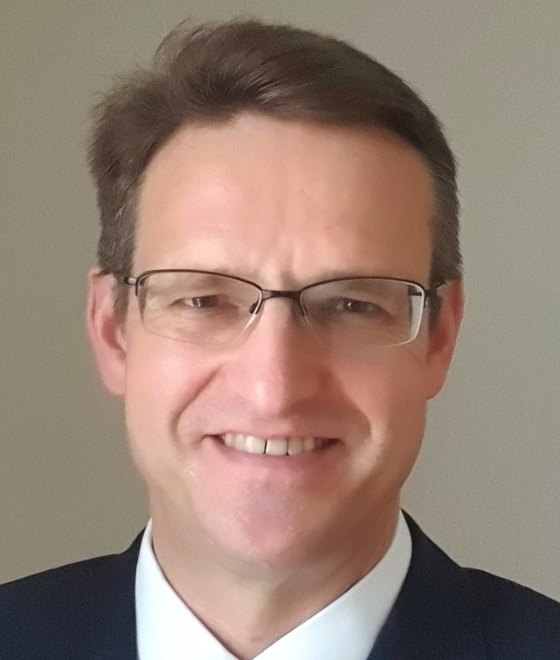 Alistair Ritchie
Director of Asia-Pacific Sustainability
Alistair Ritchie
Director of Asia-Pacific SustainabilityAsia Society Policy Institute
 Yuki Yasui
Managing Director
Yuki Yasui
Managing DirectorAsia Pacific Network, Glasgow Financial Alliance for Net Zero (GFANZ)
 Deeksha Vats
Group Chief Sustainability Officer
Deeksha Vats
Group Chief Sustainability OfficerAditya Birla Group (ABG)
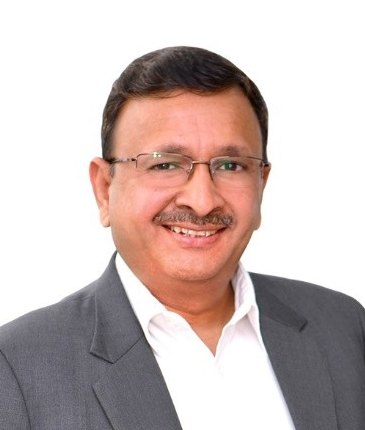 Rajiv Mangal
Vice President
Rajiv Mangal
Vice PresidentSafety, Health & Sustainability
Tata Steel Limited
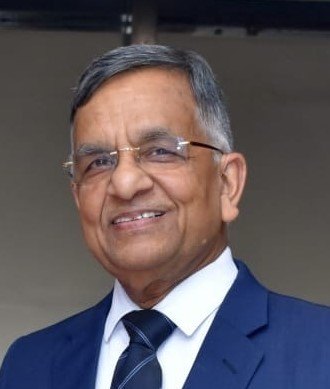 Arun Goyal
Retd. IAS, Former Secretary
Arun Goyal
Retd. IAS, Former SecretaryGovernment of India
The session will examine how national regulations can align with global sustainability frameworks while bridging the gap between commitments and on-ground outcomes. It will explore ways to strengthen policy design and enforcement, especially in emerging economies, and assess gaps in current global agreements. The discussion will also highlight the need for harmonized standards and the role of voluntary frameworks and corporate action. Additionally, it will look at how digital tools like AI and blockchain can enhance monitoring and accountability.
 Shiv Siddhant Narayan Kaul
Chairman, CII National Committee on Environment & Managing Director
Shiv Siddhant Narayan Kaul
Chairman, CII National Committee on Environment & Managing DirectorNicco Engineering Services
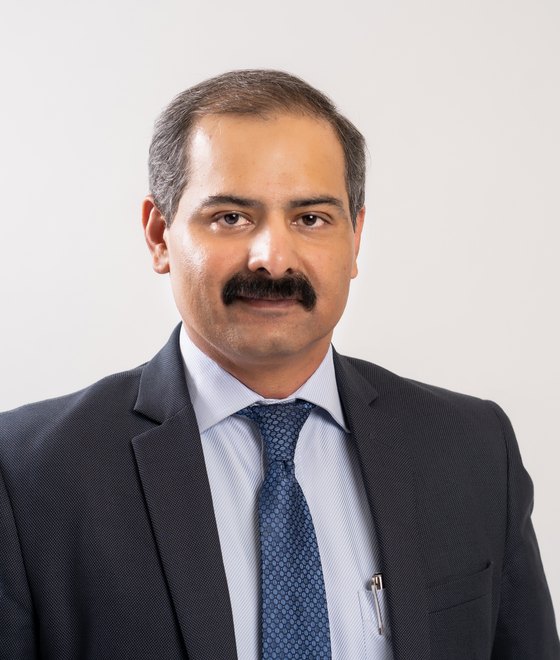 Masood Alam Mallick
Chairman, CII National Committee on Waste-to-Worth & Chief Executive Officer
Masood Alam Mallick
Chairman, CII National Committee on Waste-to-Worth & Chief Executive OfficerRe Sustainability
 K. D. Bhardwaj
Group Head and Director – Environment and Climate Action
K. D. Bhardwaj
Group Head and Director – Environment and Climate ActionGroup Head – Environment Audit Designated Agency
Group Head – International Services
National Productivity Council
 Mangesh Barbate
Chief Operating Officer (COO)
Mangesh Barbate
Chief Operating Officer (COO)Global Product Compliance (GPC)
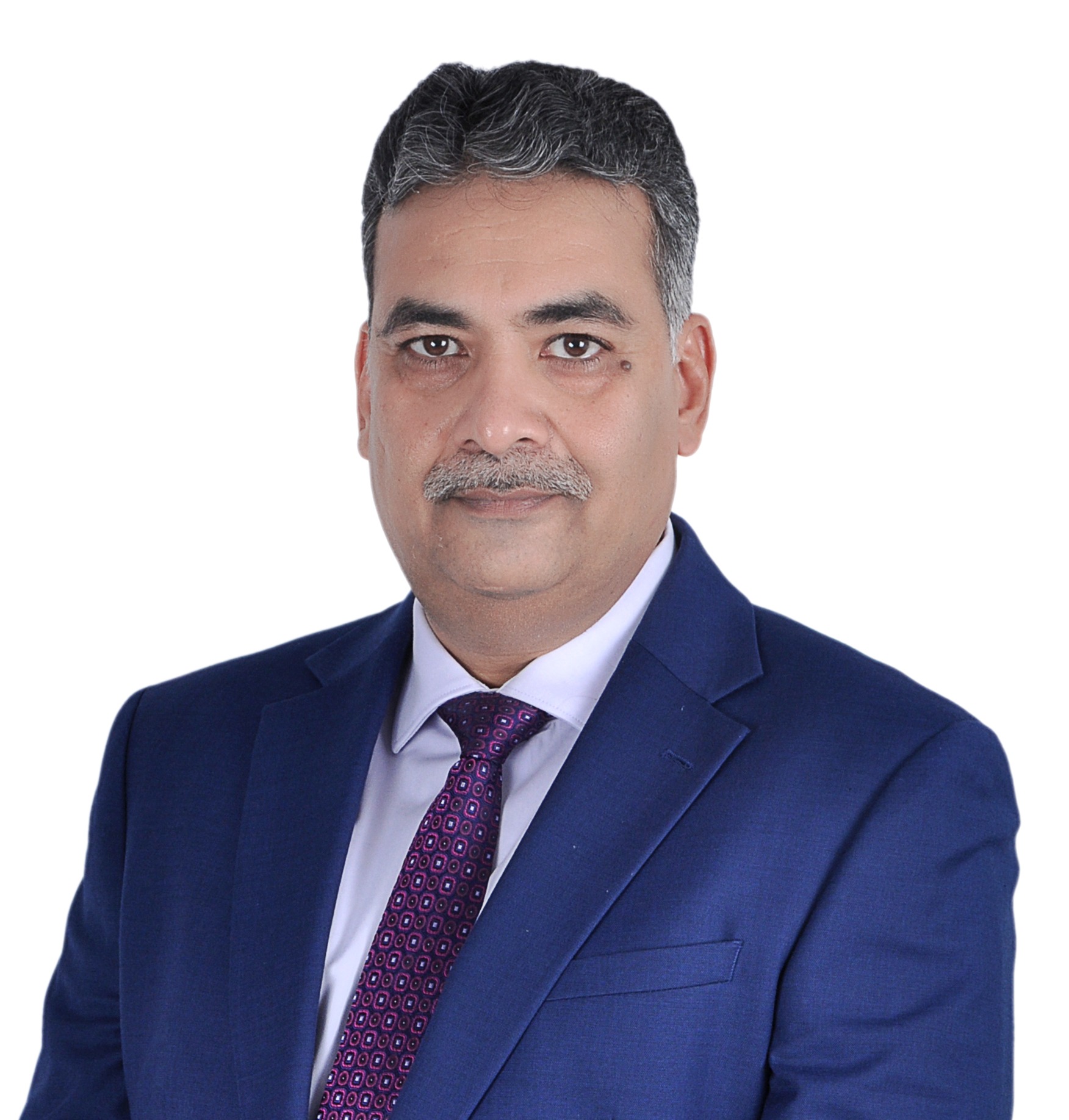 Santosh Kumar Singh
Chief Sustainability Officer
Santosh Kumar Singh
Chief Sustainability OfficerLarsen & Toubro
As India advances towards the vision of Viksit Bharat@2047, sustaining economic growth while achieving net-zero ambitions will require robust institutions, coordinated policies and industry-led action. Anchored by the work of the India Sustainability Task Force (ISTF) under CII, this session will convene policymakers, regulators, financial institutions, industry leaders and academia to deliberate on the outcome of the work done under ISTF. The session will also mark the launch of the CII India Sustainability Task Force Report, presenting strategic recommendations on corporate sustainability roadmap and suggested policy frameworks across thematic areas of green taxonomy, green finance mechanisms, carbon markets, sustainability disclosures, MSME supply chains and enterprise action to support a competitive, resilient and sustainable India.
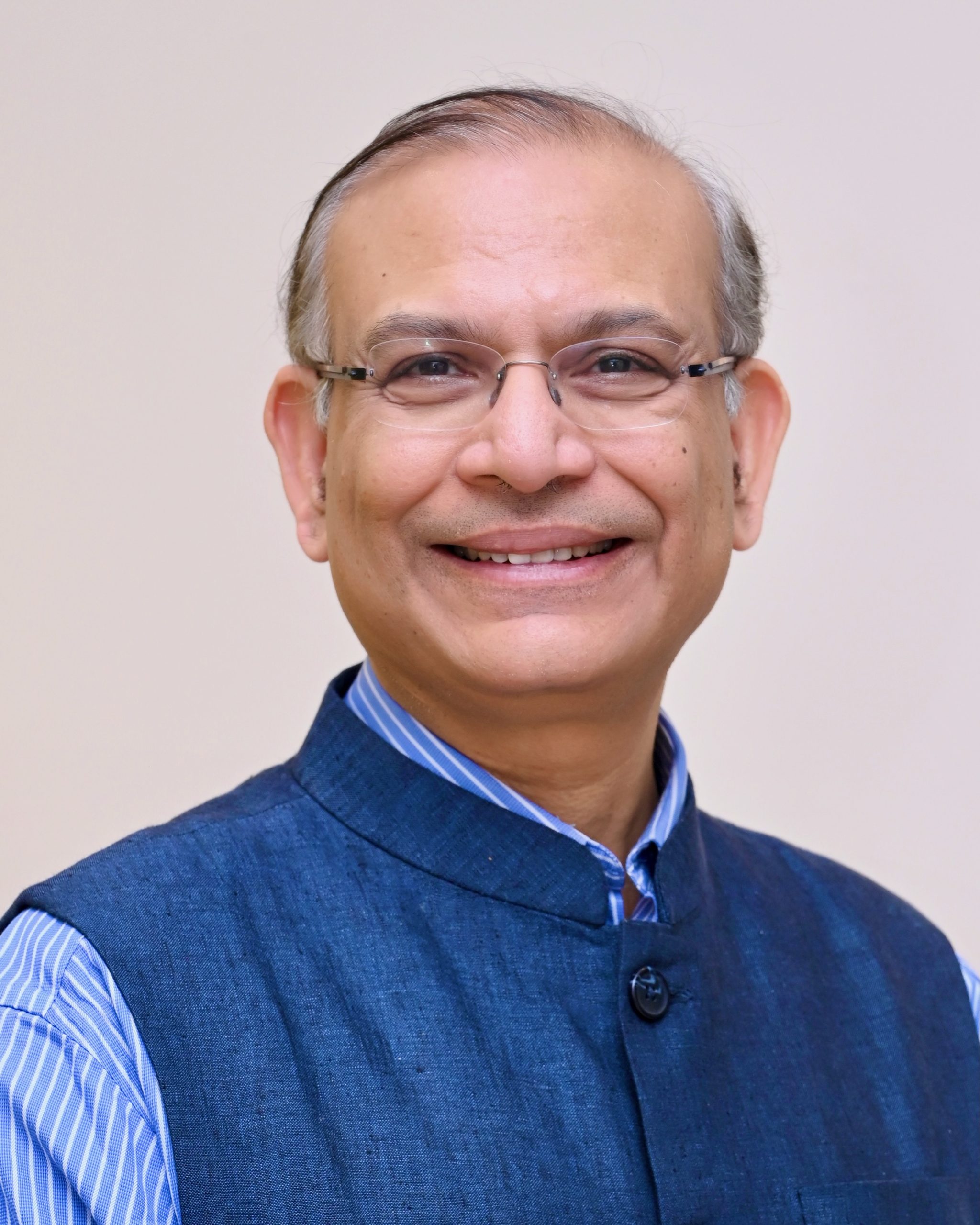 Jayant Sinha
Chairman CII ISTF, President - Eversource Capital, Visiting Professor in Practice London School of Economics (LSE), Former Chairperson, Parliamentary Standing Committee on Finance
Jayant Sinha
Chairman CII ISTF, President - Eversource Capital, Visiting Professor in Practice London School of Economics (LSE), Former Chairperson, Parliamentary Standing Committee on FinanceFormer Union Minister of State for Finance and Civil Aviation
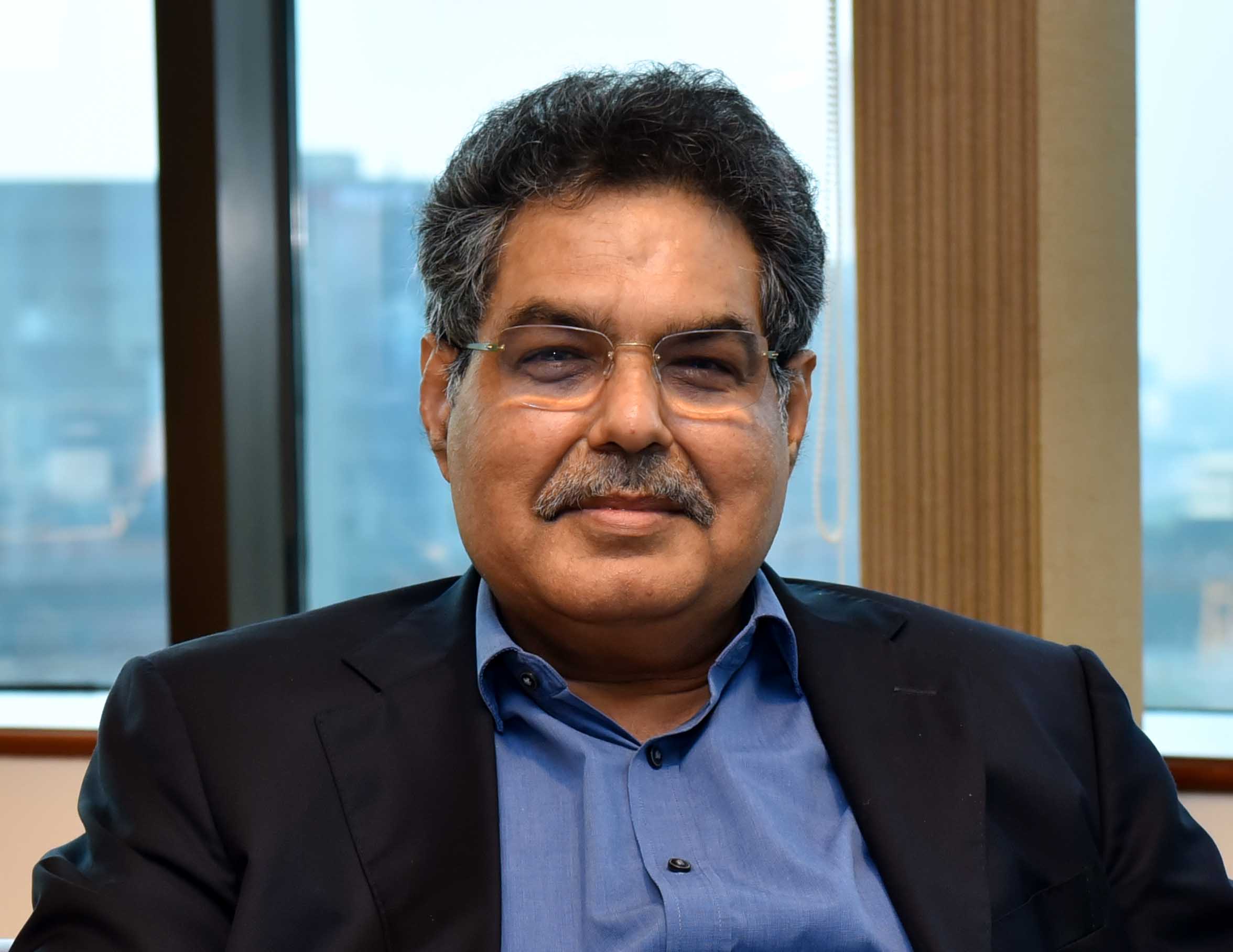 Ajay Tyagi
Co-Chair CII ISTF, IAS and Former Chairperson
Ajay Tyagi
Co-Chair CII ISTF, IAS and Former ChairpersonSecurities Exchange Board of India (SEBI)
 Rajnish Kumar
Former Chairman
Rajnish Kumar
Former ChairmanState Bank of India
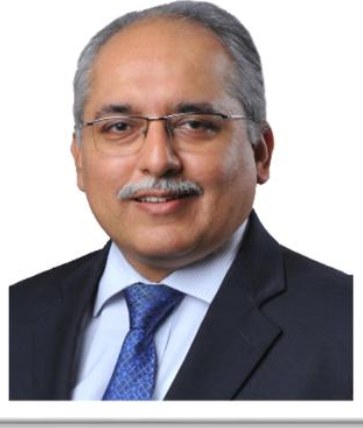 Amish Mehta
Managing Director and CEO
Amish Mehta
Managing Director and CEOCrisil Limited
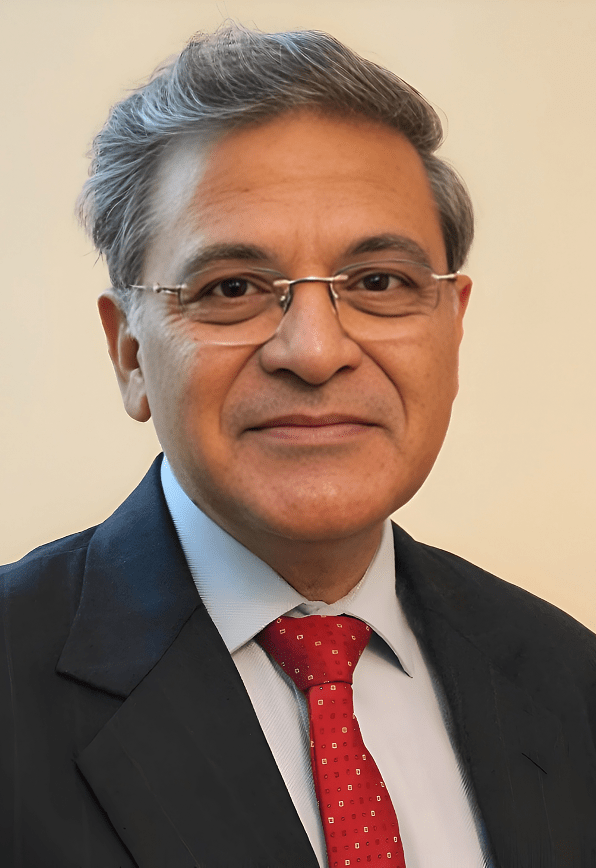 Amit Garg
Professor and National Investment & Infrastructure Fund (NIIF) Chair in ESG
Amit Garg
Professor and National Investment & Infrastructure Fund (NIIF) Chair in ESGIIM Ahmedabad
Extreme heat is rapidly becoming a defining challenge of climate change, disrupting productivity, industrial operations, agriculture, supply chains, and public health worldwide. Its impacts are uneven, creating a “heat divide” between those with and without resources to adapt to the physical climate risks. The ILO warns heat stress could cost 80 million jobs and US$2.4 trillion annually by 2030. This session will explore how industries such as agriculture, textiles, logistics, and construction, alongside policymakers, and experts can address climate change for economic continuity, social equity, environmental sustainability and the future of work in a warming world.
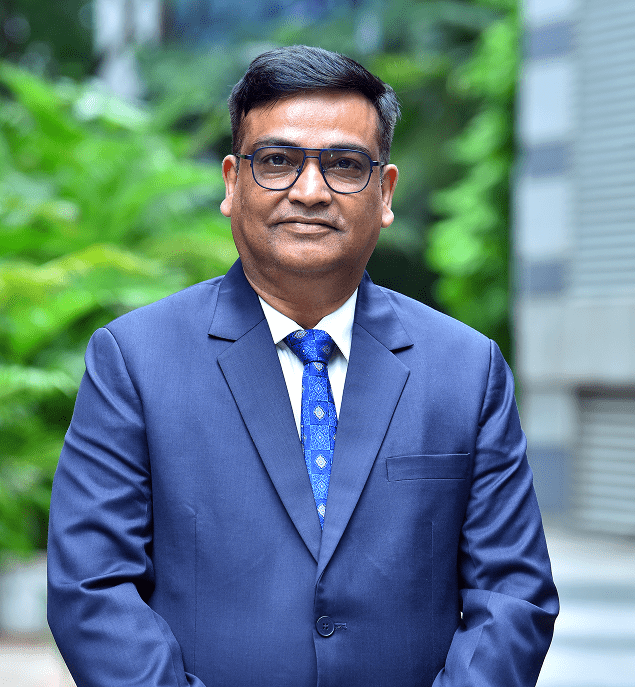 Prabodha Acharya
Chief Sustainability Officer
Prabodha Acharya
Chief Sustainability OfficerJSW Group
 Dr Sunil Patel
Lead - Occupational Health
Dr Sunil Patel
Lead - Occupational HealthAditya Birla Group
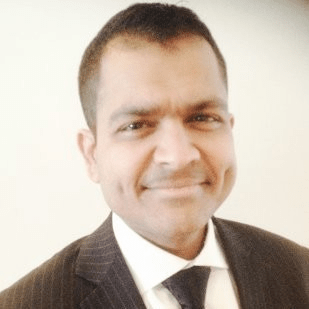 Yogindra Samant
Occupational Safety & Health Specialist, India office
Yogindra Samant
Occupational Safety & Health Specialist, India officeILO
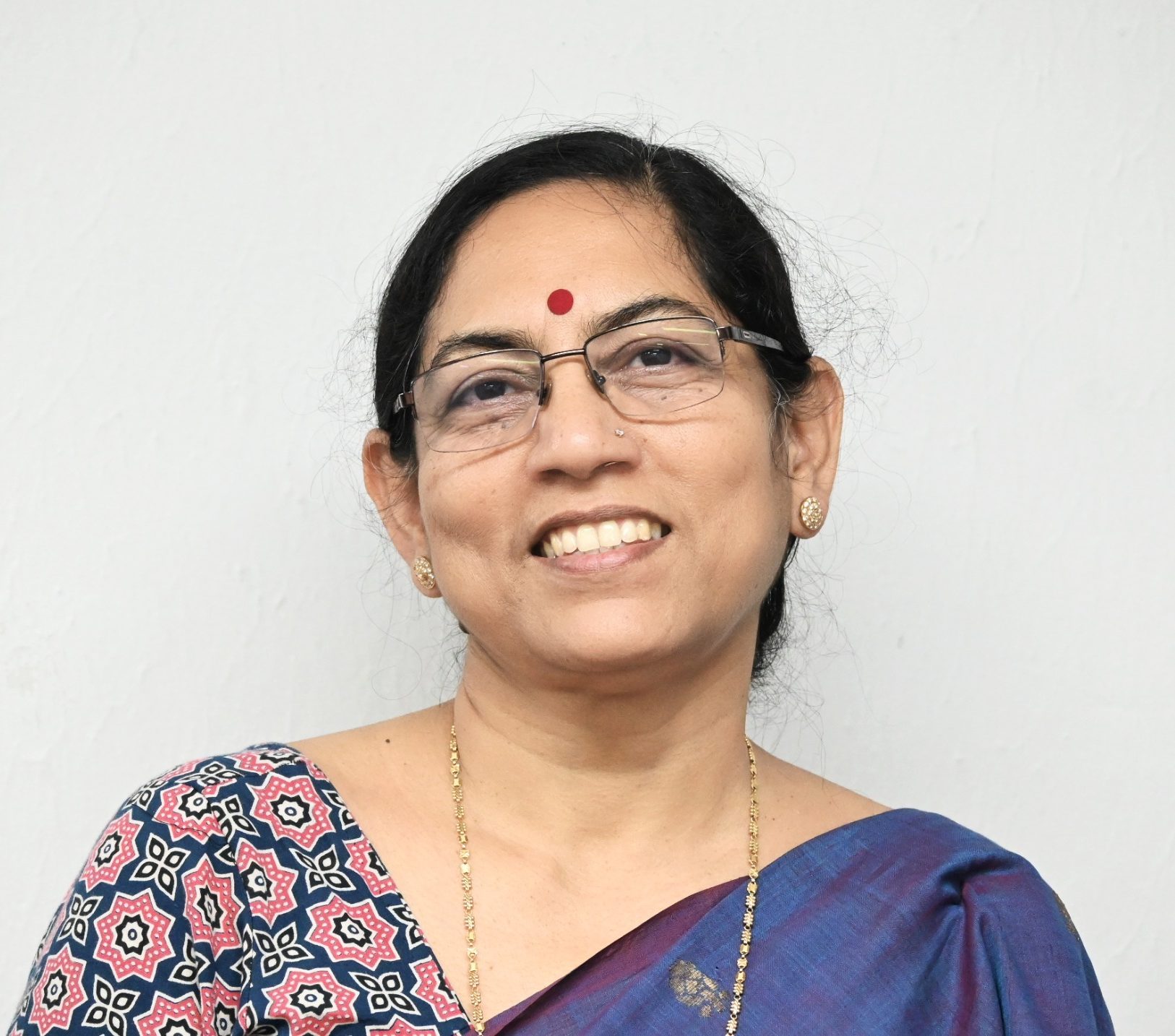 Dr Debolina Kundu
Director
Dr Debolina Kundu
DirectorNational Institute of Urban Affairs (NIUA)
 Benjamin Hickman
Programme Manager
Benjamin Hickman
Programme ManagerUNEP India
India’s transition towards sustainable mobility will require multiple clean fuel pathways to scale alongside enabling policy, infrastructure, technology, and market ecosystems. As demand grows across passenger and freight segments, the focus must shift towards an integrated and economically viable clean transport ecosystem. This requires coordinated action across government, automotive and energy industries, fuel and technology providers, and large mobility users. The transition must also balance energy security, affordability, air quality, emissions reduction, and industrial competitiveness. The session will bring together perspectives across the mobility and energy value chains to explore how India can accelerate cleaner transport solutions and build the systems, investments, partnerships, and market conditions needed for sustainable scale.
 Dr Tushar Patil
Assistant Vice President – Corporate Strategy & Sustainability
Dr Tushar Patil
Assistant Vice President – Corporate Strategy & SustainabilityPraj Industries
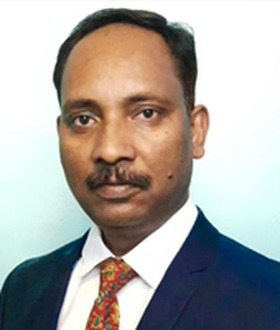 Shri Rajnath Ram
Advisor (Energy)
Shri Rajnath Ram
Advisor (Energy)NITI Aayog
Government of India
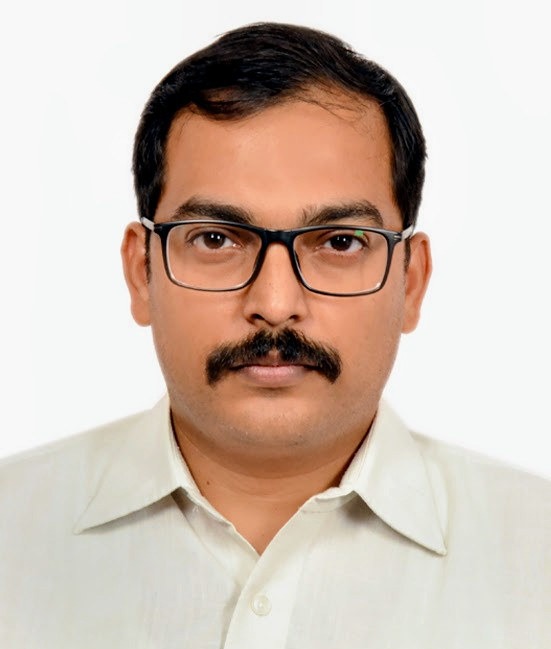 Shri Vikas Singh
Director (GP & Vig.)
Shri Vikas Singh
Director (GP & Vig.)Ministry of Petroleum and Natural Gas
Government of India
 Shri Mahmood Ahmed
Additional Secretary
Shri Mahmood Ahmed
Additional SecretaryMinistry of Road Transport and Highways
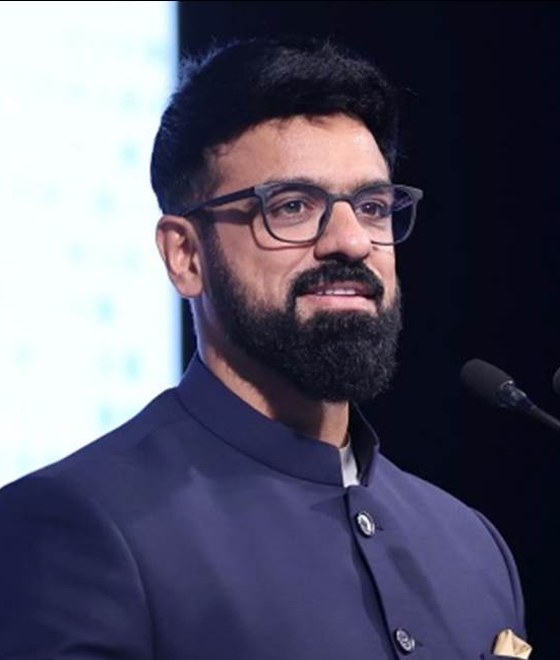 Ashish Chutani
Vice President, Government & Policy Affairs
Ashish Chutani
Vice President, Government & Policy AffairsMaruti Suzuki
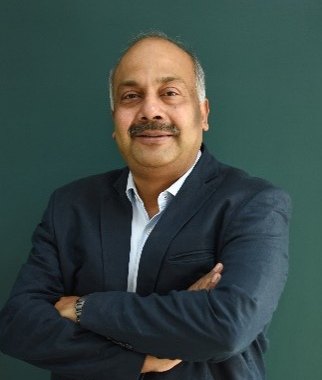 Krishna Mohan Puvvada
Regional President
Krishna Mohan Puvvada
Regional PresidentNovonesis
 Mathsy K
APAC Leader, The Climate Pledge
Mathsy K
APAC Leader, The Climate PledgeAmazon
Up to 90 % of an organization’s carbon footprint lies within Scope 3 emissions—hidden deep inside global supply chains. Achieving true net-zero requires moving past isolated pilots toward systemic, large-scale value chain transformation.
This session tackles the ultimate sustainability challenge: how to decarbonize complex global supply networks in a fragmented regulatory landscape. Industry leaders and sustainability pioneers will share proven strategies to enhance data visibility, incentivize supplier action, and implement scalable interventions. Discover how to leverage digital tools, standardize metrics, and foster radical cross-sector collaboration to transform Scope 3 management from a compliance burden into a powerful engine for competitive advantage and global climate impact.
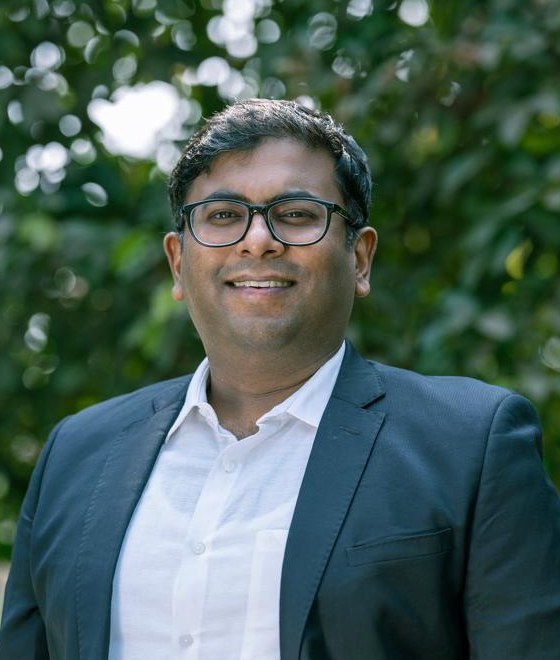 Ramnath Vaidyanathan
Chief Sustainability Officer
Ramnath Vaidyanathan
Chief Sustainability OfficerSobha Realty
 Howard Shih
Financial Institutions Standards Lead
Howard Shih
Financial Institutions Standards LeadScience Based Targets initiative (SBTi)
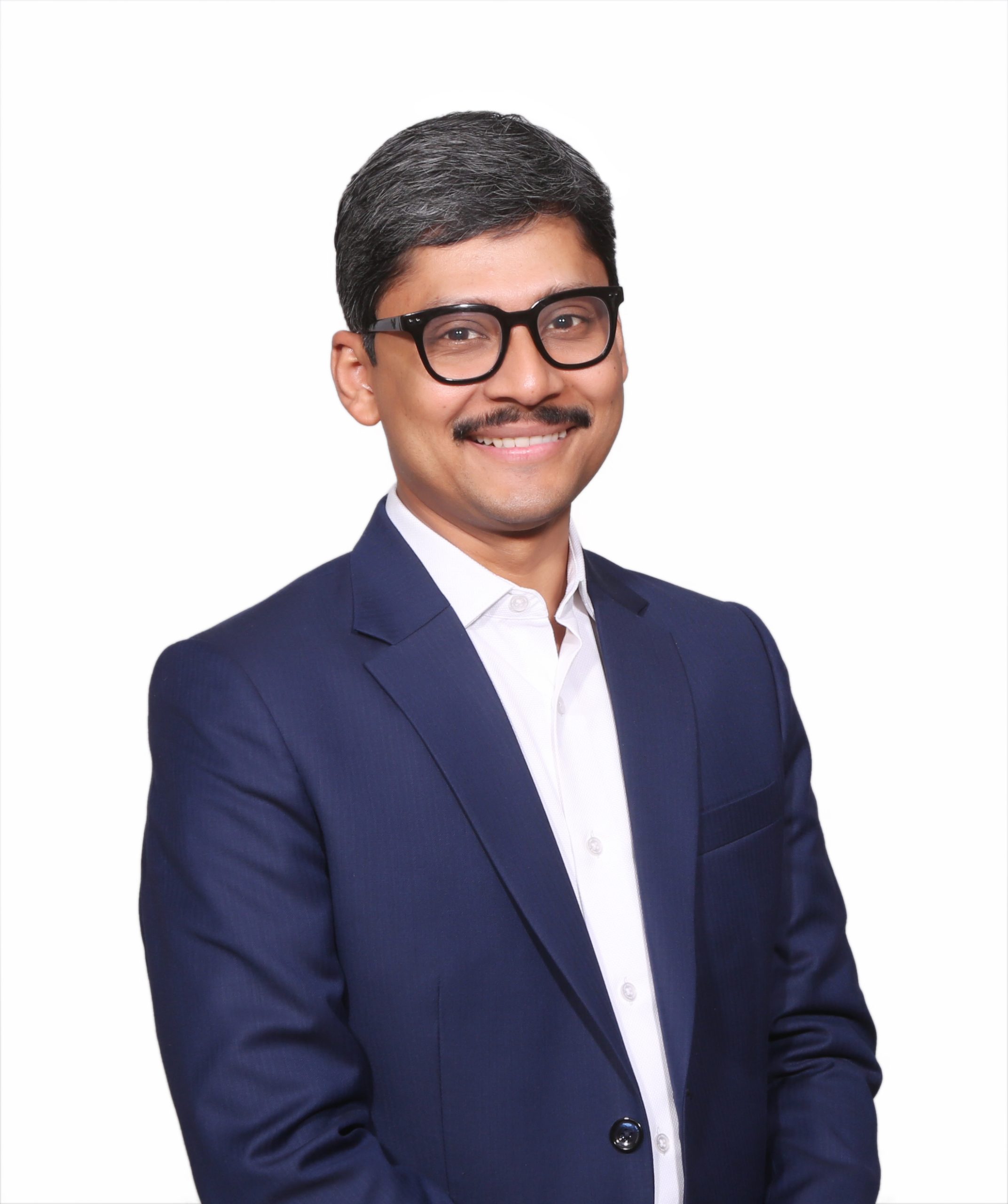 Vishwa Bandhu Bhattacharya
Director, Global Sustainability
Vishwa Bandhu Bhattacharya
Director, Global SustainabilityTata Consumer Products
 Madeline Schneider
Director of Operations - Partnership for Carbon Accounting Financials (PCAF) & Associate Director
Madeline Schneider
Director of Operations - Partnership for Carbon Accounting Financials (PCAF) & Associate DirectorGuidehouse
 Dr Neeru Bansal
Chief Sustainability Officer
Dr Neeru Bansal
Chief Sustainability OfficerAdani Cements